A teacher recently said to me, ‘the whole system is going to collapse within 10 years’. As scary as it sounds, it’s quite the possibility. Teachers are leaving in droves, and from the view at the frontline, it’s easy to see why. It’s the D word.
That’s right, Devices. Not the lack of respect (teachers have always had to deal with that). Not the administrative burden (planning the whole day before teaching it is the gig after all). Devices. So how on earth are Devices causing teachers to leave the profession?
It’s because devices are severely harming our precious children and we can no longer push the proverbial uphill on a daily basis to try and reverse or stem it. Devices are destroying attention spans, emotional regulation, physical regulation and social skills – all vital ingredients to thriving in a classroom of one teacher to 28 students. The ‘brainrot’ is real and older students know it, hence the millions of memes circulating the Internet.
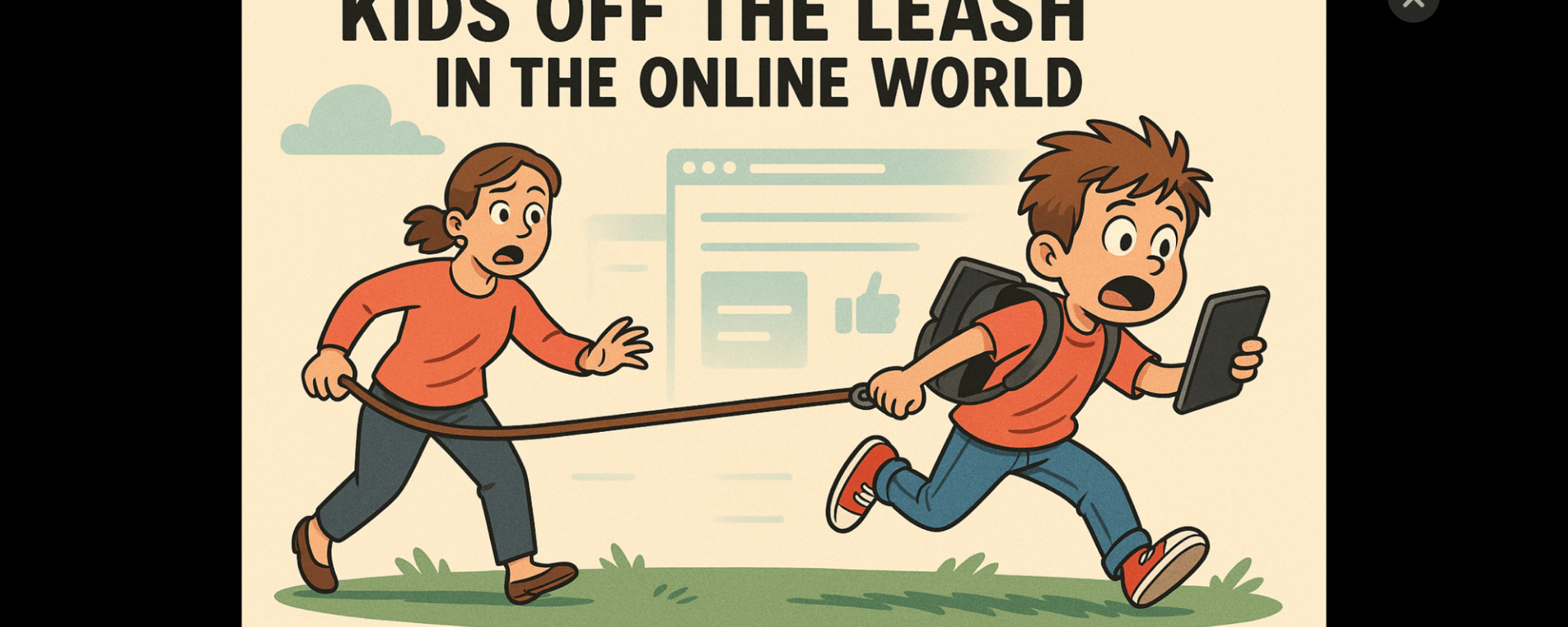
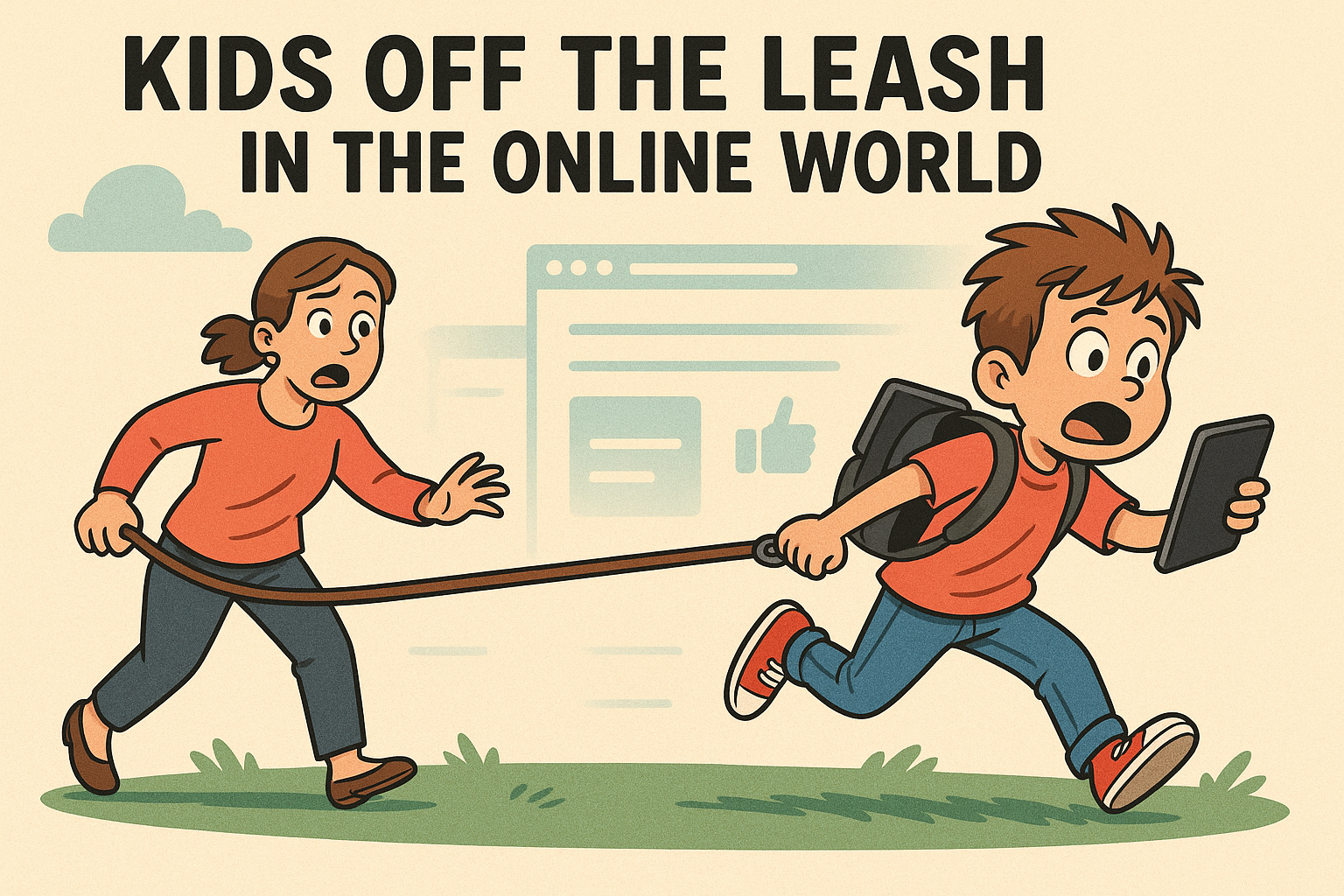
When students’ attention spans began to contract some 10-15 years ago, teachers noticed and responded by becoming entertainers and gamifying the classroom. Flipped classrooms, interactive media and lessons so finely structured they’d compete with the narrative arc of of an action movie became more normal than students relatively quietly and largely independently toiling away on a piece of work. At this point in time, we had parents who, generally speaking, couldn’t keep up with the pace of gaming and social media developments and quicker than you could say ‘Fido, come back!’, kids were off the leash and running into an online world they didn’t have the brain power to safely navigate.
Then came along Covid. ‘Stay home and learn online’ they said. Parents began to lose even more control over their children’s access of and use of devices, because they ‘had to do it for learning’. Many students even managed their own access because parents ‘can’t keep up with all these apps’. The pandemic enabled children’s independent device use and parental supervision of devices on the whole decreased. Many also allowed their young children more access to gaming and social media to ‘keep up their social connections’. When the students returned to the classroom, they returned as different people. In ensuing years, the noticeable trend of declining social skills came to the fore. Children who used devices tended to socialise less in real life and more online. They didn’t know how to talk to each other. If they didn’t know someone, they were immediately an enemy and someone they refused to engage with as a peer in learning. They were in a world of their own, literally.
We are now seeing babies in prams and shopping carts being entertained by mobile phones and iPads as their parents shop. In doing so, the baby is not observing their real world, learning patience, interacting with their parents or making eye contact and smiling at cooing Grandmas, learning the power of empathy and connection. We know what would happen if the device is taken away; they would cry and become severely emotionally dysregulated. If our current generation of children cannot engage and focus on one thing at a time, have the resilience to problem solve and learn independently in their real world, what is this next generation going to be presenting with in the classroom? I don’t think I want to be there to see it!

Note: this article is based on countless discussions with education professionals over the last ten years, and therefore does not reflect sites I have worked at.
Discover more from bethehumanelement
Subscribe to get the latest posts sent to your email.
