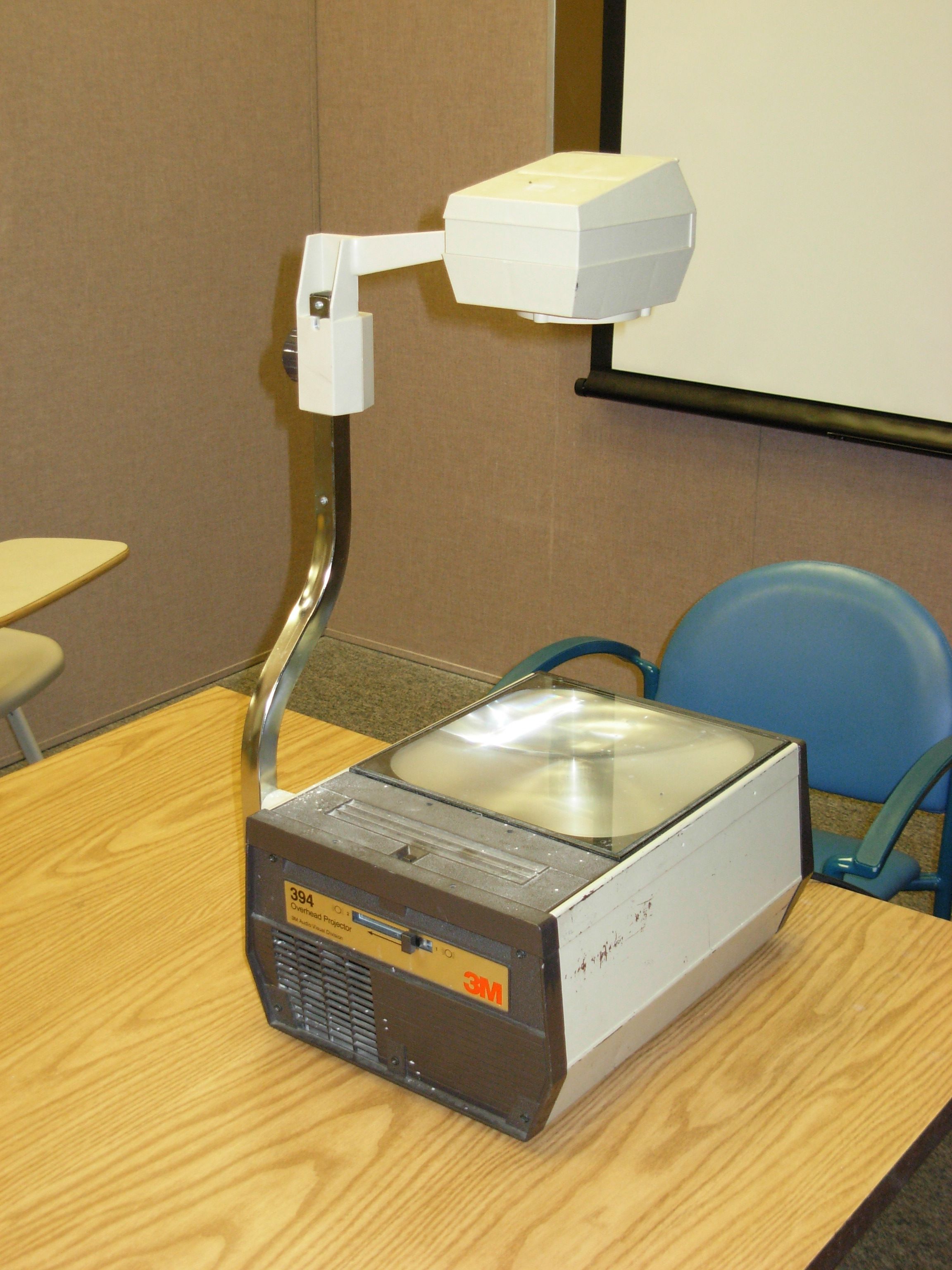
If you are 30-something and are sending a child to school for the first time, it pays to know that schools are no longer filled with blackboards, overhead projectors and TVs on trolleys. This post covers what a typical school beginner will encounter.
Students may be allowed to address teachers by their first name. Shock horror! (I have a foot in both camps on this one – sometimes ‘Ms S’ seems way too distant, other times I recoil if I hear a child say my first name. I guess it’s why I like it when my students simply say ‘Miss?‘
The learning space may be flexible – a combination of seating at tables, stools, beanbags and cushions. It enables kids to get comfortable and some spaces are used as rewards for displaying positive learning behaviors (teepee reading time, anyone?).
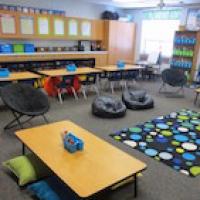
The teacher will likely use a TV or interactive whiteboard that is used to project images, text and video onto a larger screen. Since you were gone, blackboards not only became whiteboards, they became smart boards and interactive screens.
There may be a play corner or lots of objects kids can explore and play with rather than having to do things a certain way all of the time. Play-based learning can be a big focus in the early years at some schools.
Your child will still have readers and need to bring them home for reading each night. Some teachers send home readers that are a level below your chlid’s actual reading level, so that despite being tired, they can read to you confidently with a bit of gentle support from you. If you think it’s way too easy, ask for the next level up to be sent home.
They may have access to iPads or other mobile devices in the classroom. Classrooms often have half a dozen of them loaded with literacy and numeracy apps so kids can extend their learning, do some research, record their learning with photos or video or get a bit of educational ‘free time’.

They will likely be learning from the Australian Curriculum F-2 – they have three years to master foundational knowledge and skills. To check out what they need to know and learn by the end of year 2, go to the ACARA website. It’s a lot more than you had to learn so next time someone says ‘kids these days!‘ bop them on the head for me.
Parents may be invited to stay awhile after drop off to settle their child into the school day but this opportunity will diminish considerably after a year or two, so take the time to enjoy this. Read with them and other children – and learn to read when the teacher and your child is ready for you to go.
The classroom may be noisier than you remember. This may be in part selective memory, but the learning environment is often a little more relaxed and messy than when we were at school – it is now recognised that students need to be able to move and explore their curiosities, they can’t always be silent robots behind a desk – silent reading and spelling/mental maths test time excepted!
As always, let me know if I’ve missed anything or need to be corrected!
Discover more from bethehumanelement
Subscribe to get the latest posts sent to your email.
